

Pipe Replacement in Clifton, NJ: Tired of Leak After Leak? One Repipe Ends It.
The second leak this year. Rusty water in the morning. Pressure that keeps getting weaker. Thinking about pipe replacement in Clifton? Call us for a straight answer. We camera your lines, show you what is inside them, and give you a written flat rate quote for a full repipe.
Is Your Home a Repipe Candidate? 5 Quick Checks
Two or more leaks in the last couple of years.
Rusty or discolored water, especially in the morning.
Low water pressure throughout the house.
Galvanized steel pipes, 50 years old or more.
Visible corrosion, flaking, or green crust on exposed pipe.
Check two or more? A repipe is probably the smarter money. Call and we will confirm it with a camera.
Signs Your Clifton Home Needs Repiping
Repiping is a big decision, so here is how to read your own pipes. Seven signs, plain words.
Repeat Leaks
One pinhole is bad luck. Two or three in a year or two means the line is failing along its length, not at one weak spot. Patching the third leak while the fourth forms is how repair bills quietly pass the cost of a repipe.
Rusty or Discolored Water
Brown or yellow water that clears after running a minute usually means rust inside galvanized steel lines. The color is iron oxide flaking off the pipe wall, and it means the wall is getting thinner. More on rusty or discolored water.
Low Water Pressure Everywhere
A single weak faucet is a fixture problem. Weak pressure at every tap means the supply lines themselves are choked. Galvanized pipe rusts from the inside out until water can barely get through. See low water pressure.
Visible Corrosion
Look at exposed pipe in the basement. Flaking, dimpling, or crusty buildup on the outside mirrors what is happening inside. Copper with heavy green staining and galvanized with rust nodules are both telling you the clock is running.
Galvanized Steel Past 50 Years
Galvanized pipe typically lasts 20 to 50 years. The threaded joints go first, because every thread cut into the pipe thins the wall at that spot. Most of galvanized was installed in the 1940s through the 1960s. Do the math.
Hot Water That Swings Hot and Cold
Temperature swings during a shower can mean sediment and scale inside old lines restricting flow to the water heater. It is a secondary sign, but paired with any of the above it points the same direction.
One Leak: Is That Enough to Repipe?
Almost never. One pinhole in copper with clean pipe around it is a $200 to $400 repair, not a $4,000 repipe. The repipe conversation starts at leak number two. Our copper pipe repair page covers the repair side when a section fix is the right call.
Lead or Polybutylene Lines Found
If an inspection turns up a lead service line or gray polybutylene pipe, replacement is not optional for long. Lead is a health issue, and New Jersey law requires lead service lines gone by July 2031. Polybutylene was pulled from the market for poor reliability.
Why So Many Clifton Homes Need It
Clifton is an old pipe city. Nearly 7 in 10 homes here were built before 1960 (U.S. Census Bureau, 2021 American Community Survey). Much of the local pipe stock is 60 to 70 years old and fails from age, not from anything the homeowner did wrong.
In Athenia and Botany Village, the older multi family homes still run on galvanized steel. Galvanized rusts from the inside out. The rust narrows the pipe, chokes your pressure, and thins the wall until joints start weeping. In Allwood and Richfield, the 1950s colonials and capes run on copper that is now 65 to 75 years old. That copper is in the pinhole years, where pitting corrosion opens tiny leaks one after another.
| Material | Typical Lifespan | Clifton Reality |
|---|---|---|
| Galvanized steel | 20 to 50 years | Most local systems are past this now |
| Copper | 50 to 70 years | 1950s copper is at the far end |
| PEX | 40 to 50 years | Modern installs, still young |
| Cast iron (drain) | 50 to 100 years | Fails from the inside with scale |
The math is simple. A city where most homes predate 1960 and most pipe lasts 20 to 70 years is a city where repiping is normal maintenance, not a surprise.
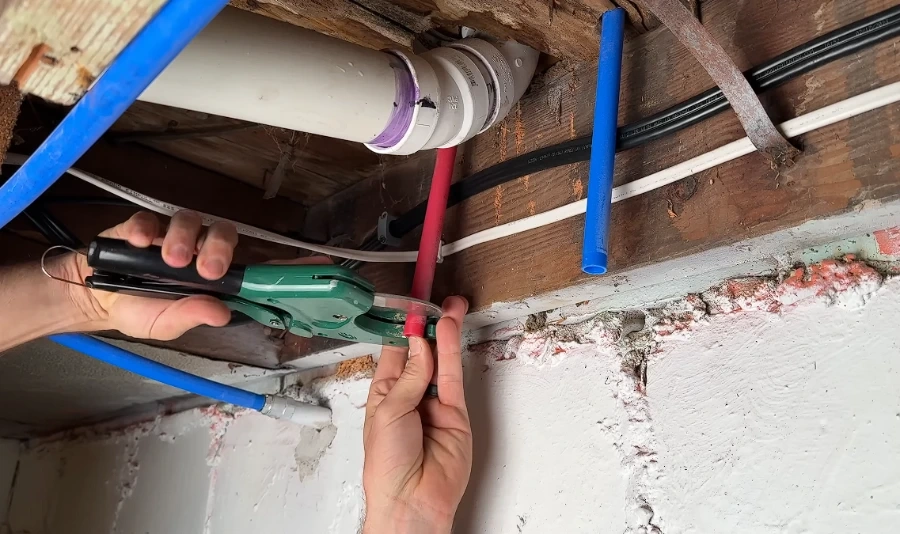
PEX vs Copper vs CPVC, Honestly
Every repipe conversation comes down to material. Here is the honest comparison.
PEX
Flexible plastic tubing that snakes through walls with fewer fittings and fewer joints. Fewer joints means fewer future leak points. It costs less per foot, installs faster, and handles freezing better because the tubing can expand a little instead of splitting. Downside: it cannot go where sunlight hits it, and some homeowners simply prefer metal.
Copper
The traditional choice. It lasts 50 to 70 years, handles heat well, and adds a premium feel buyers recognize. Downside: it costs more, takes longer to install, and in aggressive water it can develop pinhole leaks from pitting corrosion. That is the same pinhole problem many Clifton homes have now.
CPVC
Rigid plastic pipe joined with solvent welding, a chemical bond that fuses the joint. It shows up in some 1980s and 1990s Clifton work. It is a workable repipe material, but it gets brittle with age and we generally recommend PEX or copper for a full repipe.
Lead and Polybutylene: What We Look For
Some pipe problems are bigger than leaks. Two materials get special attention on every assessment.
Lead service lines. New Jersey law requires lead service lines, and galvanized lines downstream of lead, replaced by July 2031. In Clifton, the Passaic Valley Water Commission completed its Lead Service Line Replacement Program in May 2026, replacing 1,580 lead service lines across the city at no cost to homeowners. If your home still has a lead service line on the private side, the 2031 deadline still applies.
Polybutylene. This gray plastic pipe was installed in many homes from the late 1970s through the mid 1990s, then pulled from the market after widespread failures. It looks fine until it does not. If we find it during an assessment, we flag it and quote the replacement. It is not a repair candidate.
On cost per foot of material, PEX runs about $1 to $3 and copper about $3 to $9. That gap is why PEX repipes cost less overall. Our recommendation logic is simple: we look at your water, your budget, and how long you plan to stay. Then we tell you which one we would put in our own house and why.
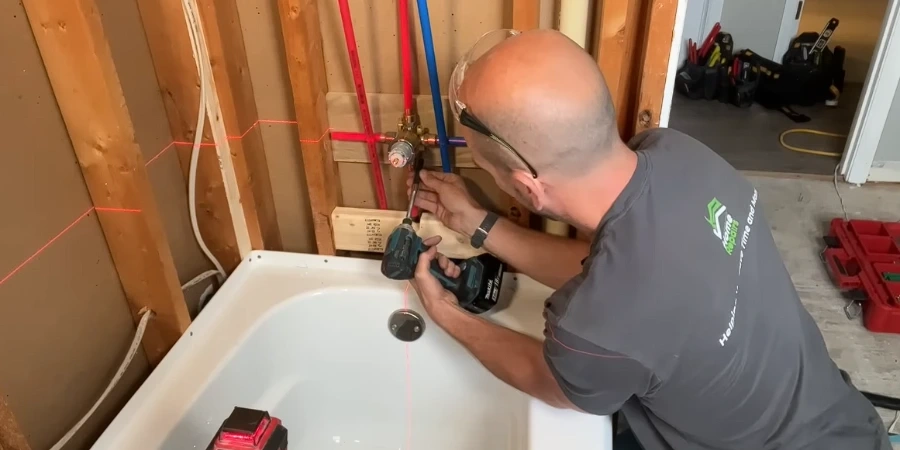
Our Repipe Process, Start to Finish
A repipe is the biggest plumbing project a home gets. Here is exactly how ours runs, so there are no surprises.
Camera and pressure assessment
We camera the accessible lines, check water pressure at several fixtures, and look at exposed pipe. We show you the footage. The assessment visit is free, no obligation.
Written flat rate quote, permits handled
One number for the whole job, agreed in writing, and it does not move while we work. Repiping needs a Clifton building permit at $20 per fixture. We handle the paperwork and schedule inspections.
Clean install, phased if needed
Drywall cut in neat sections only where pipe must pass. No exploratory demolition. Big house or tight budget? We can repipe one floor or section at a time, worst lines first.
Pressure test, inspect, clean up
Every new run pressure tested before walls close up. Work areas wiped down, debris hauled out. NJ requires the work be done by or under a licensed Master Plumber. Ours is [LICENSE NUMBER].
What Repiping Costs in Clifton
Real numbers, no guessing. Your exact price is confirmed in writing before any work starts.
| Repipe Option | Typical Range | What It Includes |
|---|---|---|
| PEX whole home repipe | $4,000 to $10,000 | New PEX supply lines throughout, manifolds labeled, pressure tested |
| Copper whole home repipe | $8,000 to $16,000 | New copper supply lines throughout, soldered or press fit joints, pressure tested |
Typical ranges. Your final price is confirmed in writing before any work starts. Nationally, whole home repiping runs $1,500 to $15,000 depending on home size and material. The Clifton ranges above reflect local pricing for the housing stock described on this page.
Got a quote that felt high? A whole home PEX repipe on a typical Clifton colonial should land inside the ranges above. If someone quotes you double, ask what is different: more fixtures, harder access, or copper instead of PEX. A real quote explains itself line by line. Read the full breakdown on our pipe repair cost page.
Repair vs Repipe: The Honest Math
Not every old pipe needs replacing. We show you the camera footage either way, give you both numbers, and you decide. No pressure.
| Repair the Section | Full Repipe | |
|---|---|---|
| Best when | One isolated leak, rest of line looks solid | Two or more leaks, rusty water, low pressure everywhere |
| Typical cost | $200 to $400 | $4,000 to $16,000 |
| Ends the cycle | No, next leak still coming | ✓ Yes |
| Disruption | One small opening | 2 to 4 days, phased option available |
| Galvanized past 50 years | Temporary by nature | ✓ The long term answer |
A repipe usually costs less than three or four emergency burst repairs spread over two years, and it ends the cycle instead of pausing it. Want Both Numbers? Call (973) 555-0134
When to Schedule a Repipe
A repipe is a planned project, which means you pick the timing. Four moments make the most sense.
Beat the freeze
Freeze and thaw cycles punish weak joints. Repiping in the fall means the new lines face their first winter at full strength, not patched and hoping.
Before you close
A camera inspection and pressure check before closing tells you whether you are buying sound pipes or someone else’s repipe bill. If the inspection finds galvanized past its life, negotiate the repipe into the deal.
While walls are open
Walls are already open, which cuts labor and patching. Running new supply lines while the kitchen or bath is gutted is the cheapest repipe you will ever get.
When the pattern shows
The first leak is a warning. The second is a pattern. Calling after the second leak instead of the fourth saves you the emergency premiums in between.
Why a Pipe Specialist for a Repipe
We do pipes and drains. Nothing else. Three ways that focus matters on a repipe.
Repiping Is the Job, Not a Side Job
The crew knows the fastest clean paths through each era of Clifton home, which means fewer openings and less patching.
Camera Assessment Before Quoting
We show you the inside of your pipes before you spend a dollar. The quote is based on what is actually in your walls, not a guess from the driveway.
Tested, Inspected, Backed in Writing
Every line tested, permits pulled, inspections scheduled, and the work backed in writing. That paper trail matters when you sell the house.
Where We Repipe in Clifton
We serve every Clifton neighborhood and all four ZIP codes, 07011 to 07014.
Allwood & Richfield
1950s colonials and capes. Copper now 65 to 75 years old and deep in the pinhole years.
Athenia & Botany Village
Older multi family stock still running galvanized steel past its design life.
Lakeview & Middle Village
Some of the oldest housing stock. Full system assessments before you buy or remodel.
Albion, Delawanna, Greglawn & Knollwood
Post-war neighborhoods across the city. Phased repipes available for big houses and tight budgets.
Two family owners and small landlords: a repipe between tenants costs less than a midnight emergency with a tenant calling you. We coordinate directly with tenants and document everything with photos. More on our landlord page.
Proudly serving 07011 · 07012 · 07013 · 07014
Pipe Replacement FAQs
Straight answers to the questions homeowners ask us most.
Is it cheaper to replace or repair pipes?
How do I know if my house needs repiping?
How long does a whole home repipe take?
What pipe material is best for repiping: PEX or copper?
How long do galvanized steel pipes last?
When should I repipe my house instead of doing more repairs?
Can galvanized pipe be repaired, or must it be replaced?
Will my insurance pay for a repipe?
The Bottom Line
Leak after leak is not bad luck. It is a system telling you it is done. The smart move is one planned project instead of another year of emergency patches. We camera your lines, show you exactly what is failing, and give you a written flat rate quote for PEX or copper. New pipes, pressure tested, inspected, and backed in writing. Call (973) 555-0134 and end the leak cycle.
Done Patching Leaks?
One planned repipe ends the cycle of emergency calls. Get a free camera assessment, a written flat rate quote, and new pipes backed in writing. Call now.
Call (973) 555-0134